



Services

Hormonal changes can impact energy, mood, sexual health, and overall wellness. We offer tailored hormone replacement therapy to restore balance, support healthy aging, and improve quality of life for both men and women.

We help men and women rebalance hormones that affect energy, mood, metabolism, and sexual health. Through comprehensive testing and bioidentical therapies, we restore vitality, improve sleep, and support overall wellness.

Urinary Incontinence Treatments

Bladder control issues can affect confidence and lifestyle. We treat stress, urge, and mixed incontinence with pelvic floor therapy, medications, Botox® , sacral and tibial nerve stimulation, Bulkamid® and other surgical procedures to restore freedom and confidence.

An enlarged prostate can cause frequent urination, weak stream, or difficulty emptying the bladder. We offer advanced medical therapies and minimally invasive procedures — including Aquablation®, iTind™, and Optilume® — to relieve symptoms and improve urinary function.

Pelvic Organ Prolapse

Pelvic floor disorders can cause discomfort, pressure, or problems with bladder and bowel function. We specialize in both surgical and non-surgical management, giving women effective solutions to restore function and comfort.

Weak pelvic muscles can cause pressure, urinary issues, and vaginal bulging. We provide both non-surgical and surgical solutions—including pessary fitting and pelvic reconstruction—to restore support and comfort.

Chronic UTIs can be painful and disruptive. We focus on identifying underlying causes—whether related to anatomy, hormones, or resistant bacteria—and create treatment strategies that reduce recurrence and protect urinary health.

Chronic UTIs can disrupt daily life. We investigate underlying causes such as bladder function, kidney stones, or hormonal changes, then create prevention-focused treatment plans to reduce recurrence and restore comfort.

Genitourinary Syndrome of Menopause (GSM)

After menopause, many women experience vaginal dryness, irritation, and discomfort during intimacy. We offer innovative, evidence-based therapies—including hormonal and non-hormonal options—to restore comfort and improve daily quality of life.

Postmenopausal changes can cause dryness, pain, and urinary symptoms. We offer individualized solutions—from topical estrogen to advanced therapies—that restore comfort, intimacy, and confidence.

Genitourinary Syndrome of Menopause (GSM)

After menopause, many women experience vaginal dryness, irritation, and discomfort during intimacy. We offer innovative, evidence-based therapies—including hormonal and non-hormonal options—to restore comfort and improve daily quality of life.

Postmenopausal changes can cause dryness, pain, and urinary symptoms. We offer individualized solutions—from topical estrogen to advanced therapies—that restore comfort, intimacy, and confidence.

Vasectomy

A vasectomy is a safe, simple, and highly effective permanent birth control procedure for men who no longer wish to have children. Performed in-office under local anesthesia, it involves minimal discomfort and a quick recovery. 

The procedure does not affect sexual performance and offers long-term peace of mind. Vasectomy provides men with a reliable, straightforward option for family planning, helping them confidently take control of their reproductive health.

Prostate Cancer Screening

Early detection saves lives. We provide comprehensive prostate cancer screening with the latest diagnostic tools, offering men peace of mind and timely treatment when needed.

Early detection saves lives. Using PSA testing, MRI, and advanced diagnostics, we create personalized screening schedules based on your age and risk factors—balancing early detection with peace of mind.

Vasectomy

A vasectomy is a safe, simple, and highly effective permanent birth control procedure for men who no longer wish to have children. Performed in-office under local anesthesia, it involves minimal discomfort and a quick recovery. 

The procedure does not affect sexual performance and offers long-term peace of mind. Vasectomy provides men with a reliable, straightforward option for family planning, helping them confidently take control of their reproductive health.

Prostate Cancer Screening

Early detection saves lives. We provide comprehensive prostate cancer screening with the latest diagnostic tools, offering men peace of mind and timely treatment when needed.

Early detection saves lives. Using PSA testing, MRI, and advanced diagnostics, we create personalized screening schedules based on your age and risk factors—balancing early detection with peace of mind.

Sexual Dysfunction

Sexual health is an essential part of overall well-being. Whether related to erectile dysfunction, low libido, or painful intercourse, we provide compassionate, individualized treatments to help restore intimacy, confidence, and satisfaction.

We provide discreet care for men and women experiencing erectile dysfunction, low libido, or painful intercourse. Our treatments address hormonal, vascular, or psychological causes to restore intimacy and quality of life.

Kidney Stones

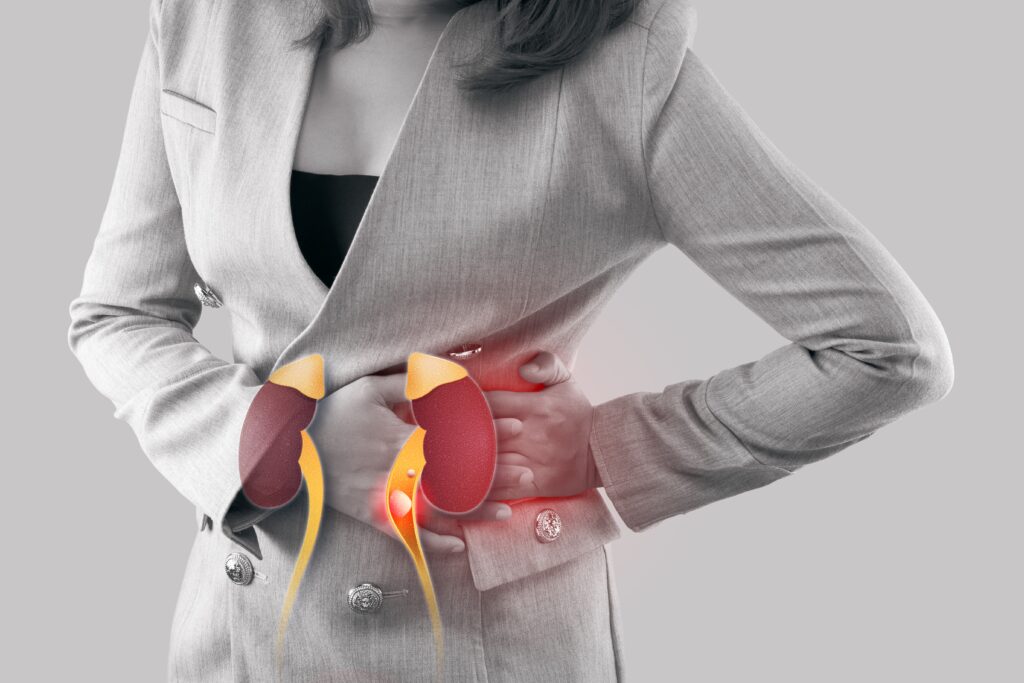
Kidney stones can be intensely painful and are prone to recurrence. We offer state-of-the-art diagnostics, minimally invasive treatments, and prevention strategies to not only treat stones but also reduce the chance of future episodes.

Painful and recurring kidney stones require both treatment and prevention. We offer minimally invasive stone removal (ureteroscopy, lithotripsy, or surgery) and preventive strategies to stop stones from coming back.

Commonly Asked Questions

Do I need a referral to see a urologist?

Most of the insurance we accept does not require a referral. UroLux accepts Medicare, TriCare and other insurance
plans. If your insurance plan is not accepted, we offer self-pay. Please contact our office to learn more

Do you offer tele-health and in-person?

Yes, UroLux offers both tele-health and in-person for your convenience.

What should I bring to my first in-person appointment?
  • A list of current medications and dosages.
  • Recent imaging (CT scans, ultrasounds) or lab results related to your concern.
  • A summary of your surgical history.
  • A full bladder (unless told otherwise), as you will likely be asked for a urine sample.
  • Pro Tip: If you are heading to your first appointment, try to keep a “voiding diary” for 48 hours—noting
    how much you drink and how often you go. It provides your doctor with excellent data right out of the
    gate!
Will Dr. Han treat me in a holistic manner?

Yes, Dr. Han will treat you as a whole person and help you manage your health and urology needs from both a
medical and a holistic perspective.

Does Dr. Han prescribe HRT and GLP-1s?

Yes, Dr. Han will prescribe HRT for women that good candidates and are experiencing symptoms of menopause.
She also treats men who need need testosterone supplements. For everyone, who needs GLP-1’s to help manage
their weight, she will evaluate health needs and prescribe those who would benefit from weight management.

What is a cystoscopy?

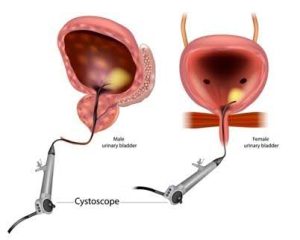
A cystoscopy is a procedure where the urologist uses a small camera (cystoscope) to look inside the bladder and urethra. It is used to investigate blood in the urine, chronic infections, or bladder pain. While it sounds daunting, most patients find it more “awkward” than painful, and local numbing jelly is used.
Why do I have blood in my urine (hematuria)?

Blood in the urine can be caused by many things—ranging from a simple UTI or kidney stones to more serious conditions like bladder or kidney cancer. Even if it only happens once and disappears, urologists treat hematuria as a priority and will usually order imaging and a cystoscopy to rule out serious issues.


How do I know if I have a kidney stone?

The hallmark sign is sudden, intense pain in the back or side (flank) that may radiate to the lower abdomen or groin. It’s often accompanied by nausea or blood in the urine.

Can I prevent stones from coming back?

Yes. After a stone passes (or is removed), urologists often perform a “24-hour urine collection” to analyze your chemistry. Simple changes like increasing water intake and reducing salt can significantly lower your risk of future stones.

Men

What is a digital rectal exam (DRE)?

A DRE, for a man, may be necessary. The procedure is a quick physical exam where the doctor checks the size and texture of the prostate gland. While PSA blood tests are common, the DRE helps the doctor feel for irregularities or nodules that a blood test might miss. It usually takes less than a minute.

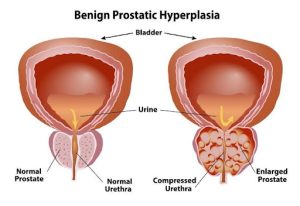
What are the symptoms of an enlarged prostate (BPH)?

As men age, the prostate often grows, pressing against the urethra. Common signs include:

  • A weak or “stop-and-start” urinary stream
  • Waking up multiple times at night to urinate (nocturia).
  • A feeling that the bladder isn’t completely empty.
Is a high PSA (Prostate-Specific Antigen) score a definite sign of cancer?

Not necessarily. PSA can be elevated due to an enlarged prostate, a recent urinary tract infection, or even recent vigorous exercise or sexual activity. A high PSA is a “check engine light”—it signals that more investigation (like a repeat test or a biopsy) is needed, but it isn’t a diagnosis on its own.

Women

Is it normal to leak urine when I cough or sneeze?

While common (especially after childbirth or menopause), it is not considered “normal” or something you just have to live with. This is called Stress Urinary Incontinence. Urologists offer many treatments ranging from pelvic floor physical therapy to minor surgical “slings.”

Why do I keep getting UTIs?

Chronic Urinary Tract Infections (UTIs) can be caused by incomplete bladder emptying, kidney stones, or changes in vaginal flora after menopause. A urologist will look for the underlying “why” rather than just prescribing another round of antibiotics.

Scroll to Top