
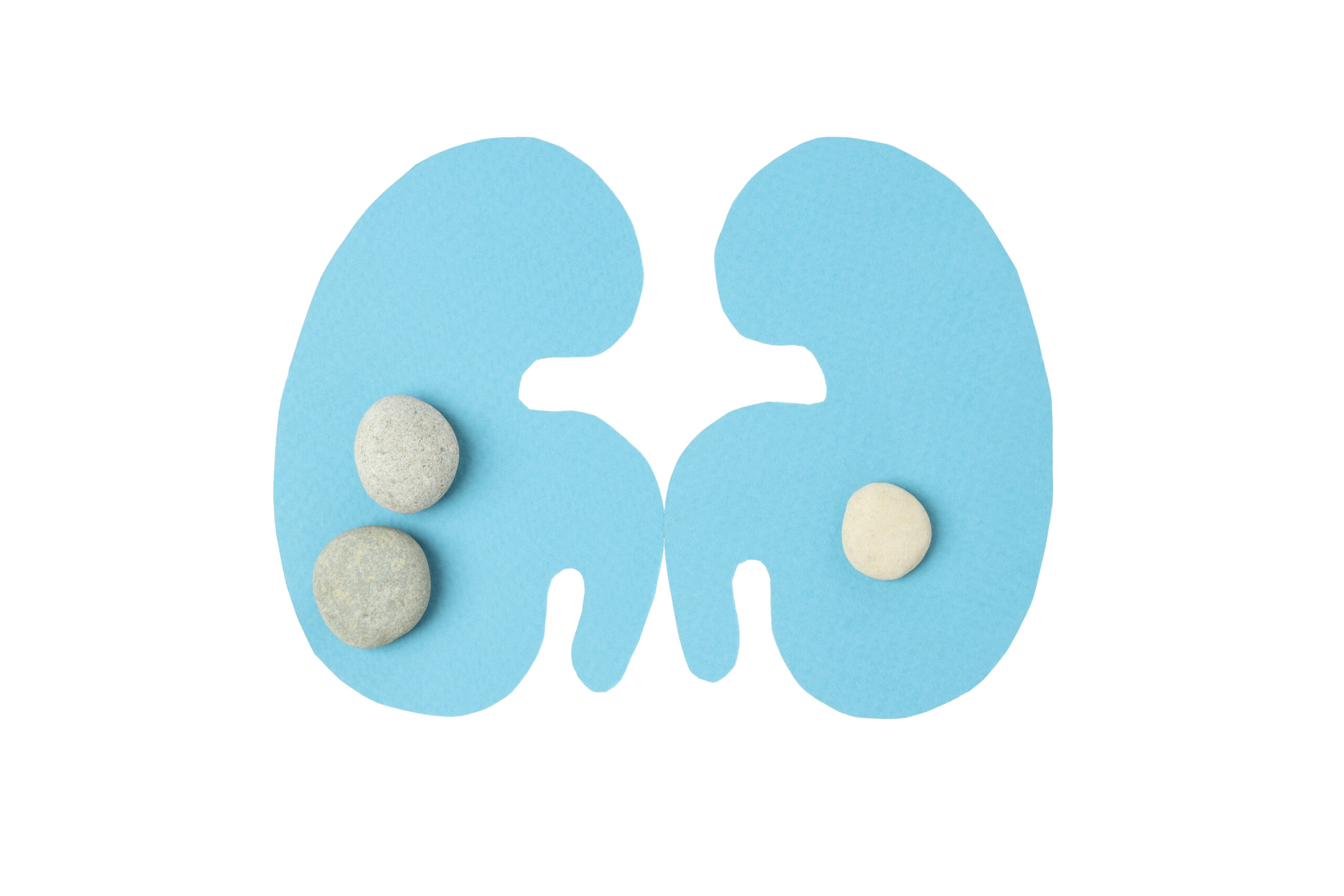
Kidney stones are a common urologic problem that affect millions of people each year. These small, hard deposits can form in your kidneys and cause significant pain when passing through the urinary tract. While kidney stones are treatable, prevention is key to reducing recurrence and protecting your kidney health.
At Urolux Concierge, we believe that understanding why kidney stones form and how to prevent them is just as important as treatment.
What Are Kidney Stones?
Kidney stones are crystal-like formations made from minerals and salts in the urine. They vary in size—some may be as small as a grain of sand, while others can be much larger and more difficult to pass.
The main types of kidney stones include:
-
Calcium stones – The most common type, often caused by high calcium or oxalate in the urine.
-
Uric acid stones – More common in people with gout, obesity, or those who eat a diet high in red meat.
-
Struvite stones – Typically linked to urinary tract infections.
-
Cystine stones – Rare and caused by a hereditary condition.
Symptoms of Kidney Stones
-
Sharp pain in the back, side, or lower abdomen
-
Pain that comes in waves and changes in intensity
-
Blood in the urine
-
Frequent or painful urination
-
Nausea and vomiting
-
Fever or chills (may indicate infection and requires urgent care)
What Causes Kidney Stones?
Kidney stones form when urine contains more crystal-forming substances (like calcium, oxalate, or uric acid) than the fluid can dilute. Factors that increase risk include:
-
Dehydration
-
High-salt or high-protein diet
-
Family history of kidney stones
-
Obesity or certain medical conditions
-
Recurrent urinary tract infections
Prevention: How to Lower Your Risk
-
Stay Hydrated – Drinking enough water helps dilute minerals and prevents stone formation. Aim for 8–10 glasses daily (unless advised otherwise).
-
Balanced Diet – Limit sodium, reduce animal protein, and avoid excessive oxalate-rich foods (like spinach, nuts, and chocolate) if you’re prone to calcium oxalate stones.
-
Maintain a Healthy Weight – Obesity and metabolic issues increase risk.
-
Regular Screening – If you’ve had kidney stones before, monitoring can help prevent recurrence.
-
Tailored Supplements or Medications – In some cases, potassium citrate or other medications may help prevent stones.
Treatment Options
At Urolux Concierge, we offer individualized treatment plans based on the type and size of kidney stones:
-
Watchful Waiting – Small stones often pass naturally with hydration and pain management.
-
Medications – To ease pain, relax the ureter, or prevent further stone growth.
-
Minimally Invasive Procedures